Women in New Manufacturing Innovation Spotlight: Winnie Lai
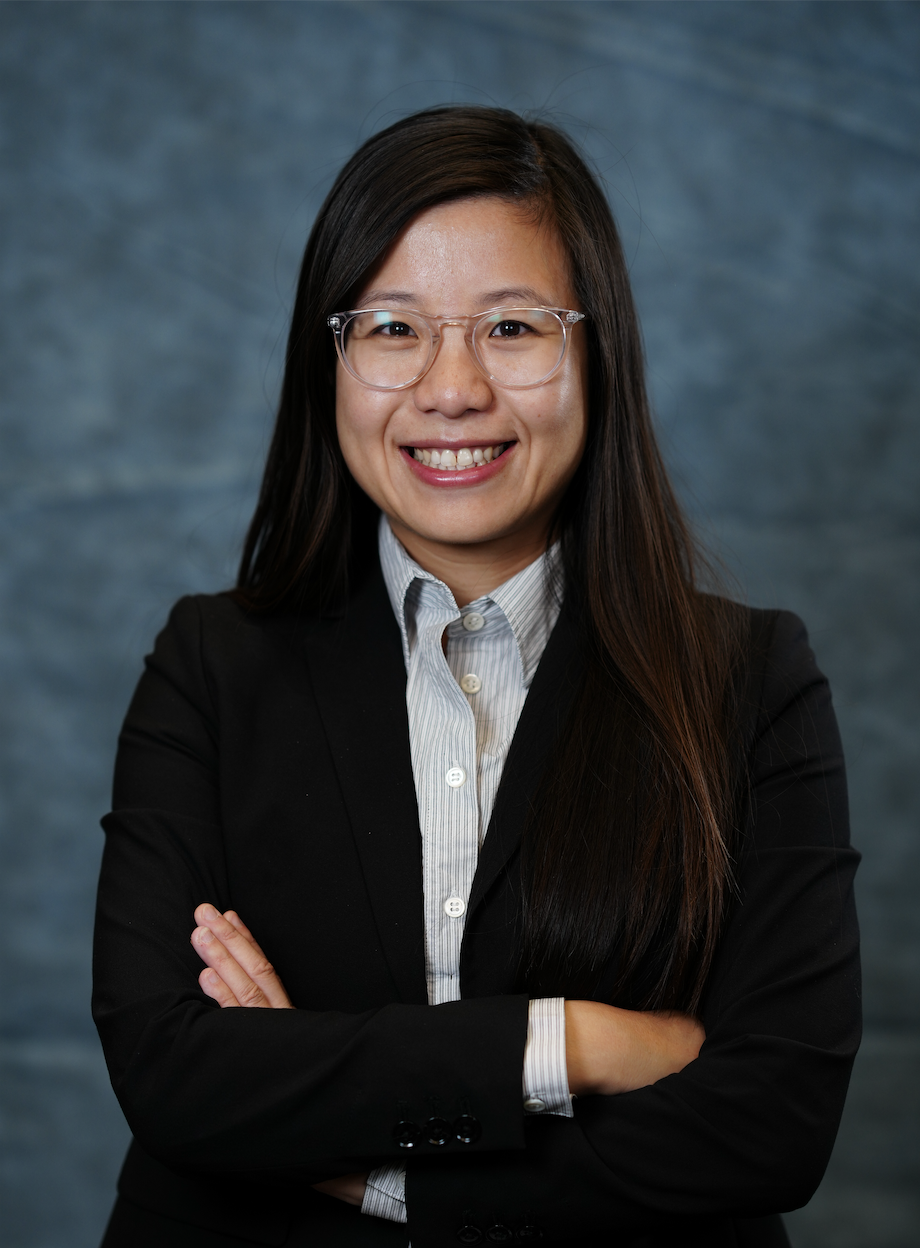
A serial entrepreneur and operator, Winnie Lai founded Auriga Space—a company that builds ground-based electromagnetic launch systems—in 2023 with a straightforward premise: the rocket has been the only way to reach orbit for too long, and electricity can do better. She holds a degree in Engineering Physics, with a Minor in Commerce from the University of British Columbia and built her career at the intersection of hardware and business. Before founding Auriga, Lai served as VP of Product and Business Development at SpinLaunch, where she helped build the team and develop the suborbital demonstrator from early startup to operational hardware. Prior to SpinLaunch, she co-founded and scaled multiple technology companies, including Clinicbook and SmartPay, resulting in two acquisitions.
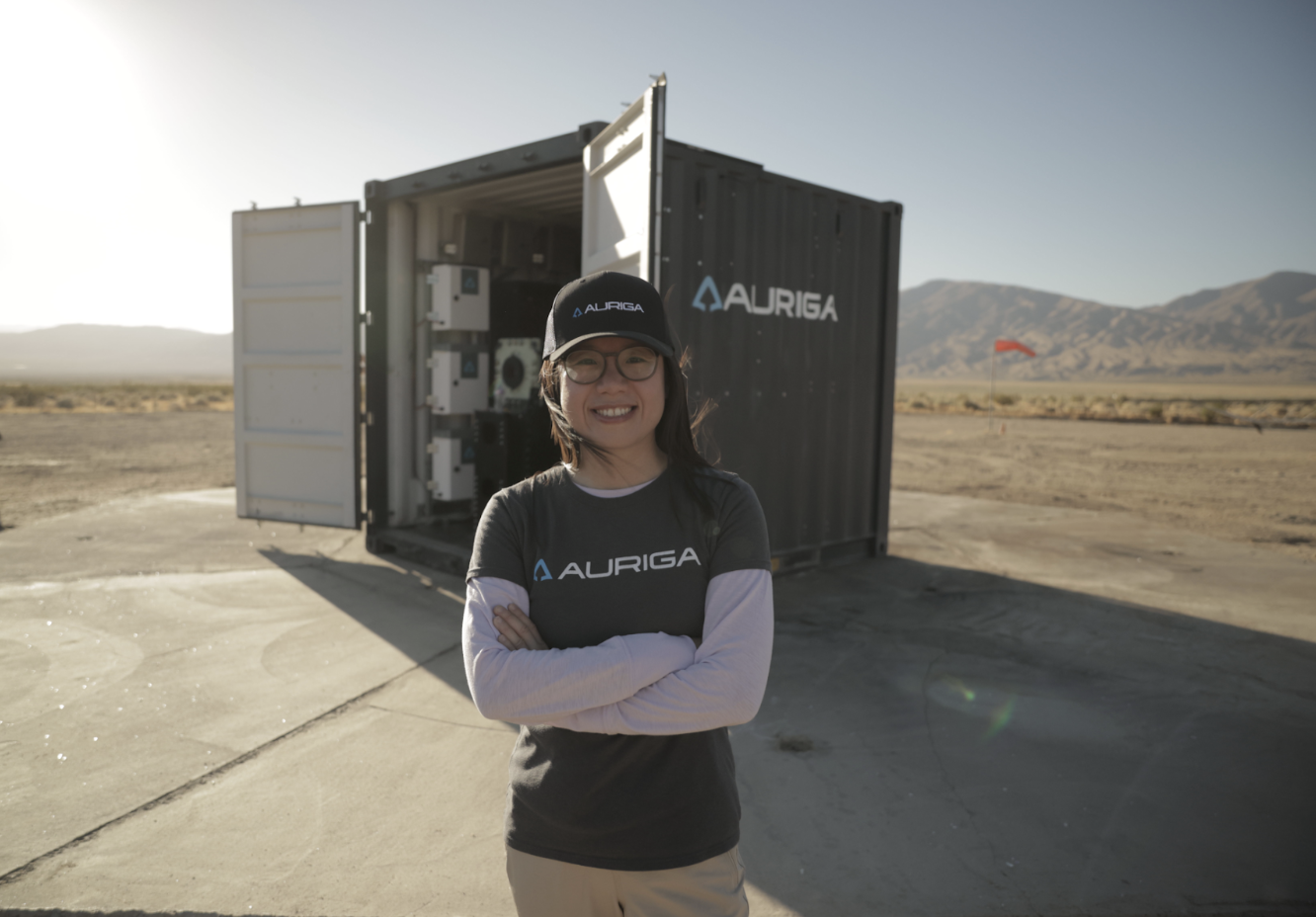
1. In an era marked by increasing global tensions, there is a shift in how both governments and private capital evaluate defense capabilities. From your perspective, how are these geopolitical dynamics driving new investment into the defense tech sector, and in what specific ways is this attention reshaping commercial aerospace startups?
The conflicts we’re seeing around the world have made it clear that countries need to strengthen their defense capabilities and preserve peace through strength. After a relatively peaceful period over the past 20 to 30 years, particularly since the fall of the Soviet Union, we’re now seeing that some countries have invested heavily in developing advanced military capabilities.
This new sense of strengthening national defense with technology innovation is creating an important opportunity for startups. Historically, startups have been able to innovate faster, take greater risks, and move more quickly than large organizations. What’s particularly encouraging today is that the government is increasingly willing to work with and procure from emerging technology companies, and not just the traditional defense primes. That creates new opportunities for founders and investors to tackle some of the most important national security challenges.
I believe we’re entering a new era of accelerated innovation in defense technology. There’s also a broader economic opportunity. People sometimes forget that Silicon Valley itself has deep roots in defense and government-funded technology. I believe the current wave of investment in defense technology could have similarly significant secondary and tertiary effects: creating new companies, technologies, talent, and ultimately new innovation hubs across the country.
2. Looking beyond traditional satellites, what do you find most exciting about the commercialization of the Low Earth Orbit economy—such as the potential for in-space manufacturing?
There are so many things to be excited about when it comes to the commercialization of Low Earth Orbit, but for me, one of the most exciting is space tourism. I think it’s only a matter of time before people are routinely traveling to Low Earth Orbit for short stays or vacations. We’re still some time away from that becoming mainstream, but I’m excited about what it means for humanity to experience space firsthand.
Expanding human presence beyond Earth has the potential to change our perspective in profound ways, such as how we think about our planet, our place in the universe, and ultimately our future as a species. I think that shift in perspective could have an impact far beyond the space industry itself.
3. You've noted that traditional rockets are highly inefficient, with over 90% of their mass dedicated to fuel. By utilizing electricity to power your accelerators, Auriga is pioneering a much greener, highly sustainable path to orbit. As the commercial space industry grows rapidly, what ethical responsibilities do aerospace companies hold toward our global climate?
I think the responsibility starts with reducing our environmental impact, and that responsibility extends well beyond aerospace companies. Just as companies on Earth have become increasingly conscious of the environmental impact of their transportation and operations, we should be thinking about sustainability throughout the space ecosystem.
Space is becoming infrastructure for the broader economy. More and more companies are relying on space-based services for navigation, Earth sensing, telecommunications, and potentially even in-orbit computing. As that activity grows, I believe everyone who benefits from space has a responsibility to help make it sustainable.
That means looking at the entire lifecycle of space activities. On the launch side, we should be working to reduce emissions and minimize the amount of fuel we burn to get payloads to orbit. But sustainability also means addressing orbital debris, designing satellites with responsible end-of-life plans, and thinking about how we can preserve the space environment for future generations.
For Auriga, this is one of the things that makes electric launches particularly exciting. We have an opportunity to rethink how we get things into space and reduce some of the environmental impact associated with traditional rocket propulsion. But ultimately, space sustainability is a collective responsibility, and I think every company participating in the space economy should be thinking about it.
4. Before entering aerospace, your entrepreneurial background was in digital platforms and software. Moving from this to building a massive, physical electromagnetic launch accelerator is a swift shift in scale and risk. What drove your decision to pivot, and what is the most valuable lesson from your software days that helps you run an aerospace company today?
At the end of the day, I’m building a business. It doesn’t fundamentally matter whether I’m selling hardware, software, or a service; the principle is the same: build something people want and solve a real problem.
One of the most valuable lessons I took from my software background is the importance of agile development and rapid iteration. I was fortunate to work in environments where we could move very quickly: build, ship, learn, and iterate. That cycle is incredibly powerful because it starts with hypotheses. The faster you can test those hypotheses and get to the truth, the faster you learn, refine the product, and ultimately find product-market fit, and alignment with a customer who is willing to pay for the solution.
That philosophy applies even when you’re building something as physically complex as an electromagnetic launch system. The iteration cycles may be different, but the mindset is the same. You have to break big problems into smaller ones, test your assumptions, learn quickly, and keep moving.
And beyond the product itself, I’ve learned that building a great company ultimately comes down to people: hiring the right people, creating an environment where they can do their best work, and learning how to lead a team through challenges.
My decision to move into space and defense was also driven by a very personal motivation: I’ve always loved building things. With an engineering background, I find technically challenging products intellectually stimulating, and I wanted to apply that passion to problems that I believe are important for the future.
5. You recently shared a beautiful memory of sitting in your childhood bedroom with your father, reading astronomy books and discussing space. In many cultural contexts, deep-tech and aerospace fields remain challenging for female participation. How did those formative experiences with your father shape your interest and resilience in navigating the aerospace sector?
In addition to reading astronomy books together, my father and I were frequent visitors to our local planetarium and science centers. From a very young age, science, math, computers, and electronics felt familiar to me. As such, they weren’t foreign or intimidating subjects, and they were things I was naturally curious about and enjoyed exploring. I also think there is something very powerful about seeing what is possible. Those experiences opened my imagination early and made space feel like something I could participate in, rather than something that was distant or inaccessible.
What I think matters is passion. Aerospace and space are technically challenging fields. There are very few overnight successes. Solving hard problems takes months and often years of persistence, iteration, and hard work.
That’s one of the things I find so special about this industry. The people who choose to work in aerospace tend to be deeply passionate about what they do and intrinsically motivated by the problems they’re trying to solve. And because the challenges are so difficult, there’s also a strong culture of people helping one another and sharing knowledge.
For me, that early exposure to science and space gave me a foundation of curiosity. But it’s the passion to keep learning, keep building, and keep going when things get difficult that has ultimately helped me navigate the industry.
Learn more about Global Women Asia and subscribe to our newsletter.