Women in New Manufacturing Innovation Spotlight: Dr. Tsu-Jae Liu
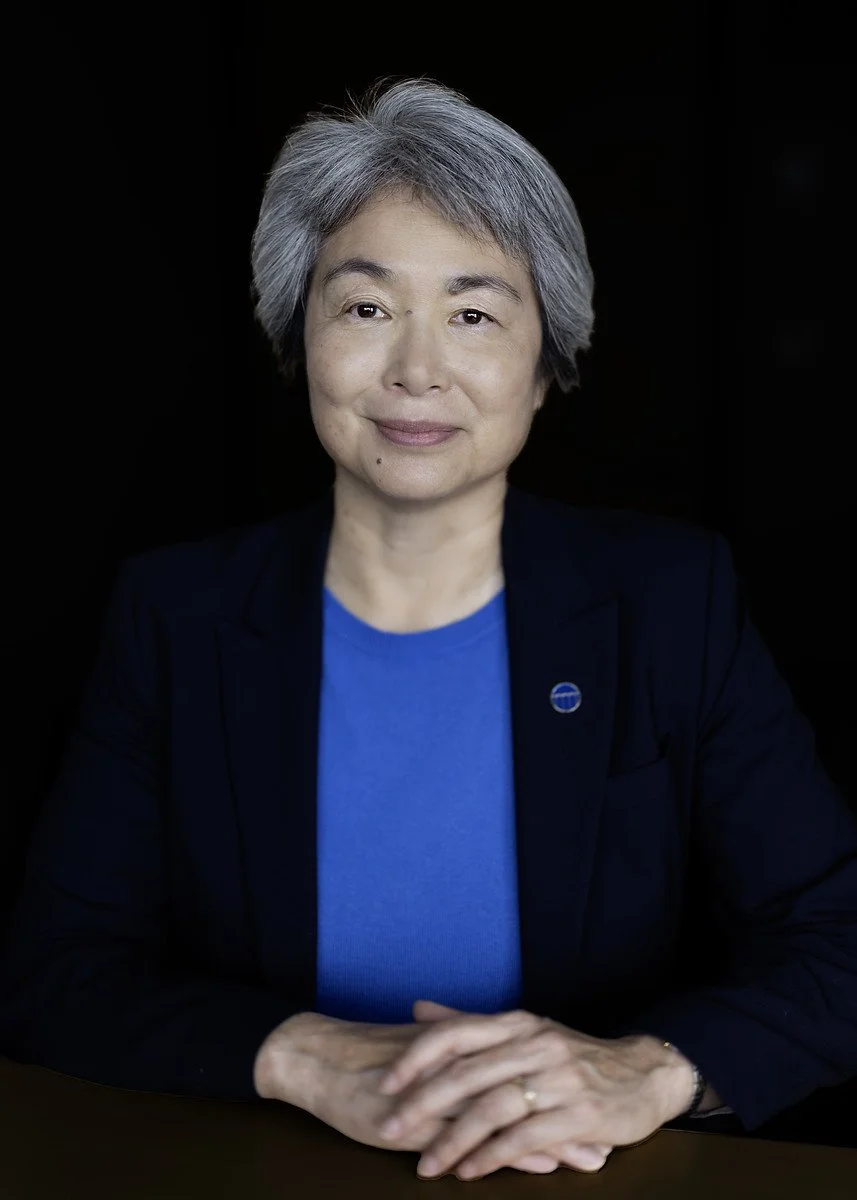
Dr. Tsu-Jae King Liu assumed the presidency of the U.S. National Academy of Engineering on July 1, 2025, becoming the 13th president since the Academy’s founding in 1964. A distinguished engineer, inventor, and academic leader, Dr. Liu earned her B.S., M.S., and Ph.D. degrees in electrical engineering from Stanford University. She joined the University of California, Berkeley faculty in 1996 and served as Dean of the College of Engineering from July 2018 through June 2025.
Dr. Liu is best known as a co-developer of the FinFET, a 3D transistor design used in all leading-edge microprocessors—the electronic brains of computers and smartphones. She’s authored more than 550 publications, holds nearly 100 U.S. patents, and has received numerous honors for her contributions to microelectronics and engineering education, including the DARPA Significant Technical Achievement Award, the Institute of Electrical and Electronic Engineers (IEEE) Founder’s Medal, and the Society of Women Engineers (SWE) Distinguished Engineering Educator Award.
Dr. Liu is a Fellow of the IEEE and the National Academy of Inventors, and has served as a Director for Intel Corp. and MaxLinear Inc. She continues to influence technology innovation through her leadership of the NAE.
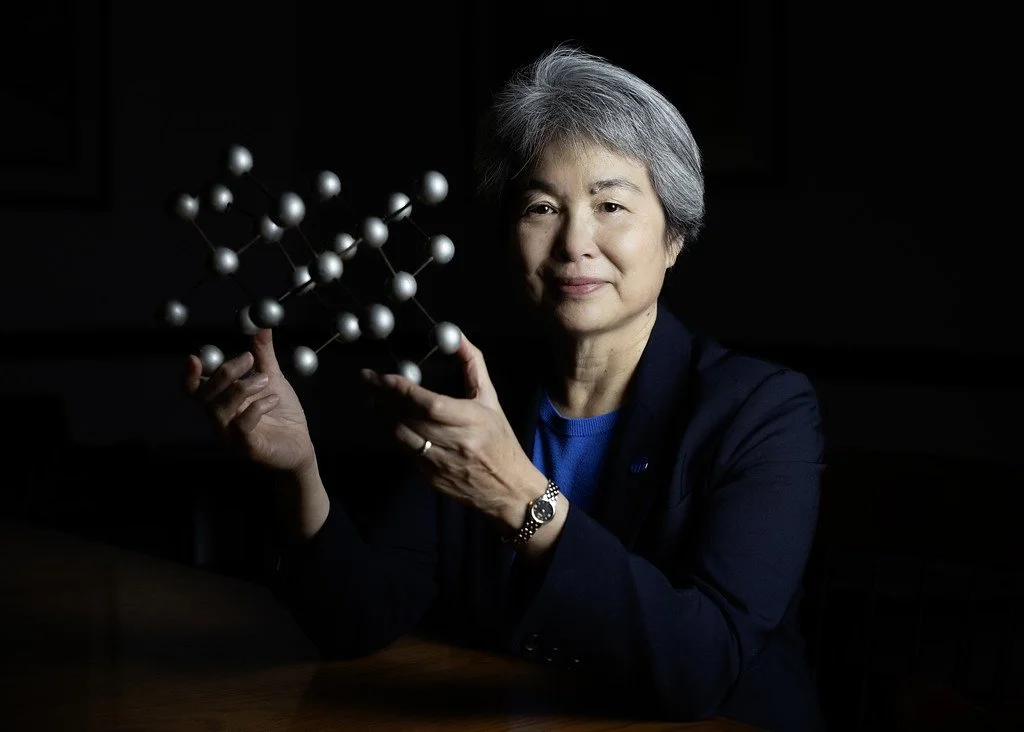
1. Throughout your career—from co-inventing the FinFET transistor to serving as Dean of UC Berkeley’s College of Engineering—you have successfully bridged the gap between academia and practice. How must academic institutions evolve their engineering curricula to ensure the next generation of technologists are equipped to face the demanding changes of the New Manufacturing era?
Colleges and universities should shift from relatively rigid and siloed degree engineering programs to more modular, flexible program structures that can be individually tailored to better prepare students for a variety of technical professional career paths in the modern era. To motivate and support more students to succeed, instructors should avoid grading systems that force student scores onto a curve or otherwise deliberately "weed out" capable individuals. Also, because modern manufacturing environments are inherently multidisciplinary, institutions should foster multidisciplinary education and interdisciplinary collaboration. Finally, because technology continually advances, technologists should be continual learners who can adapt well to change.
2. As a Director at Intel, President of the National Academy of Engineering, and a foundational innovator in semiconductors, you sit at the epicenter of the U.S.-Asia tech dynamic. With rising geopolitical tensions and the U.S. pushing for domestic chip resilience, how do you view the current nexus of Western-Asia’s collaboration and competition?
Technology developed for commercial or civilian applications also can be used for military, defense, or other strategic purposes. Therefore, technological competitiveness is not only key to economic prosperity but also critical to national security. This is why there is global competition for leadership in strategically important technologies. The technology race creates tension between basic research, which focuses on expanding knowledge and deepening theoretical understanding, and applied research, which uses existing knowledge to solve practical problems. The geopolitical environment constrains international collaboration, due to national security concerns. In short, international collaboration should be kept as open as possible for basic research and as secure as necessary for applied research and advanced development.
3. What were the most significant challenges you faced in asserting your technical authority early in your career, and what specific advice do you give to young women today who are navigating the transition from the lab to executive leadership?
As an introvert, I wasn’t assertive early in my career. Looking back, I probably should have been assertive in three aspects. First is to make sure that the ideas I voiced during meetings were heard to avoid having someone else (usually a man) take credit for them later. My second advice is on the proper sequencing of authors on papers co-published with faculty colleagues, so that I receive due recognition of my leading contributions. Finally, to address disruptive behavior of male students during some of my lectures, countering stereotypes in men and imposter syndrome in women.
My advice to young women today who are navigating the transition from the lab to executive leadership is that it is important to ensure you receive fair credit for your ideas and contributions, in a polite/respectful, objective and dispassionate manner. If people know they can take advantage of you, they are liable to continue to do so. It is best to head off this issue sooner rather than later. In addition, keep the best interests of your team/organization in mind. If people see you taking on greater responsibility for the benefit of the organization—and how they will benefit as individual members—they will be more supportive.
4. Your interest in computing was sparked as a high school student during a tour of Xerox PARC. Today, as President of the National Academy of Engineering, a major focus of yours is raising public awareness of the profession and expanding the workforce. In the context of rebuilding our domestic manufacturing base, how can the tech industry and educational sectors better collaborate to provide those similarly transformative moments for more students?
The U.S. has a persistent, tremendous shortage of engineering talent: The U.S. government estimates there are close to 500,000 open jobs today at manufacturing companies alone; an independent study projected nearly one in three engineering roles to remain unfilled each year through at least 2030. This large talent gap risks progress of essential industries and can inhibit various federal government initiatives intended to boost the U.S. economy and maintain national security. The solution to this critical situation is multi-pronged. First, I believe in improving public awareness and understanding of the critical role of engineering and manufacturing in society, particularly in the context of a globally competitive landscape. This looks like appropriately crediting engineering and manufacturing for innovations and goods that improve people’s lives, and also sparking interest through compelling storytelling, role models and influencers.
Next, we should illuminate pathways to rewarding careers in engineering and manufacturing. Industry and educational sectors can work together to better align educational outcomes with workforce needs and to grow the variety of pathways into the profession (including opportunities for adult learners to reskill and upskill)—and then help learners find and succeed in these pathways.
Finally, expand access to hands-on learning experiences: Industry and educational sectors also can coordinate efforts to give learners more opportunities to gain practical experience (via company visits, apprenticeships, internships, co-ops, etc.) to inspire persistence and better prepare them for successful professional careers.
In implementing each of the aforementioned tactics, it is important to reach untapped talent across the nation and across all demographics, and to make every motivated learner feel supported to succeed at every stage of education and workforce development. This is necessary to close the nation’s talent gap as quickly as possible, to maintain technological competitiveness for a prosperous and secure future.
5. Throughout your phenomenal career, you have been recognized for your excellence in teaching and mentoring. When you look at your brilliant mentees, what is the single most important non-technical skill you are proudest to have nurtured in them?
I’ve been fortunate to work with many talented and motivated students throughout my career; they inspire me to continually learn, adapt and grow to meet new challenges and opportunities. I’m most gratified when my mentees exemplify inspirational and compassionate leadership of their teams and organizations. Think about it: If you are the kind of person who lifts up and brings out the best in others, you will be more likely to have a high-performing team that trusts and supports your success as their leader.
Learn more about Global Women Asia and subscribe to our newsletter.