GWA Roundtable in DC: New Manufacturing Innovation
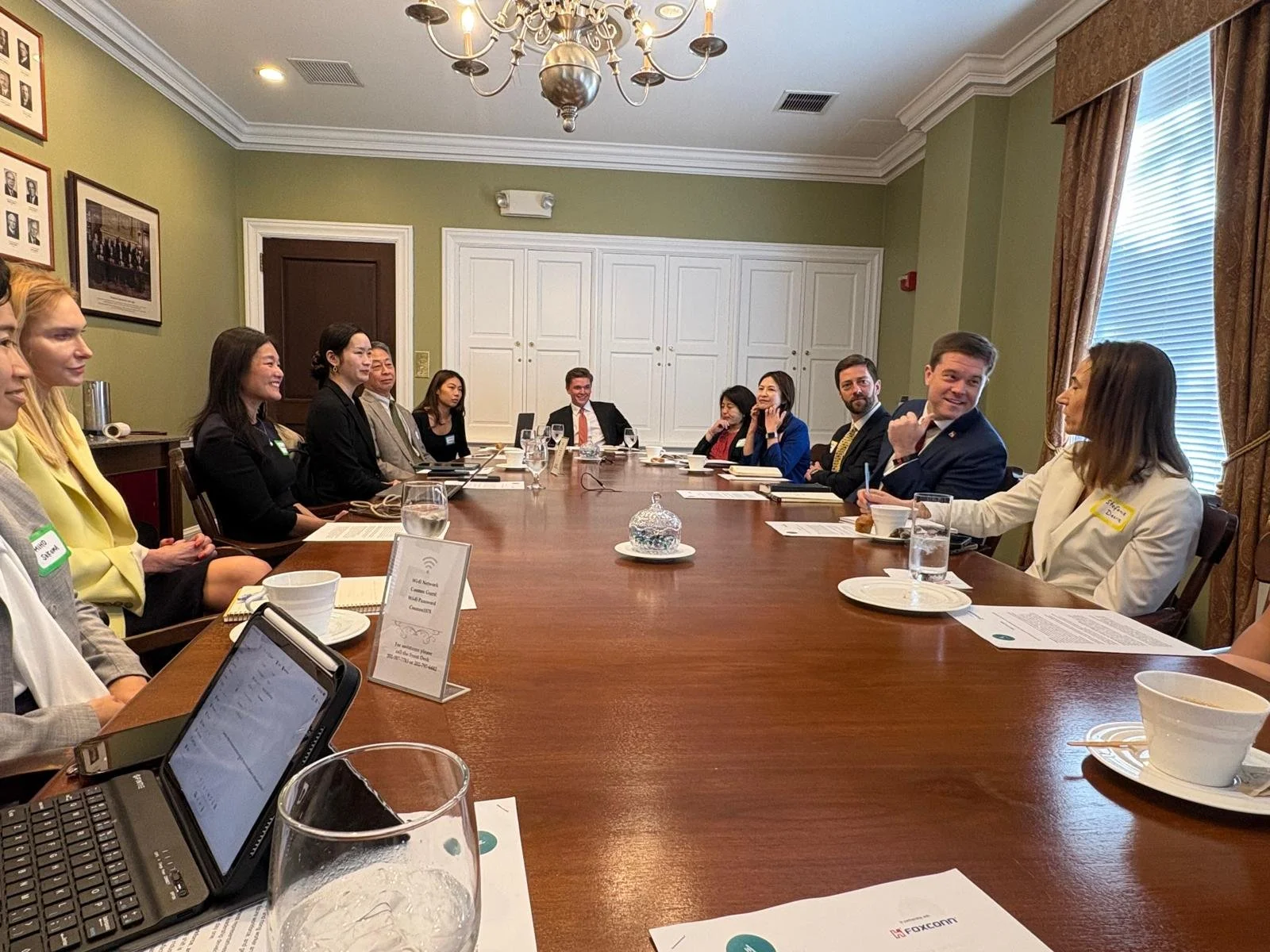
On May 13, GWA hosted a roundtable discussion, sponsored by Foxconn, in Washington D.C. with business and policy thought leaders on the future of manufacturing innovation, workforce development, and the key challenges of building a competitive advanced manufacturing ecosystem in an era of rapid technological change. The discussion focused on four key questions about how governments, educational institutions, industry leaders, and policymakers can address the social impacts of automation in manufacturing and prepare future generations in the sector for the AI transition.
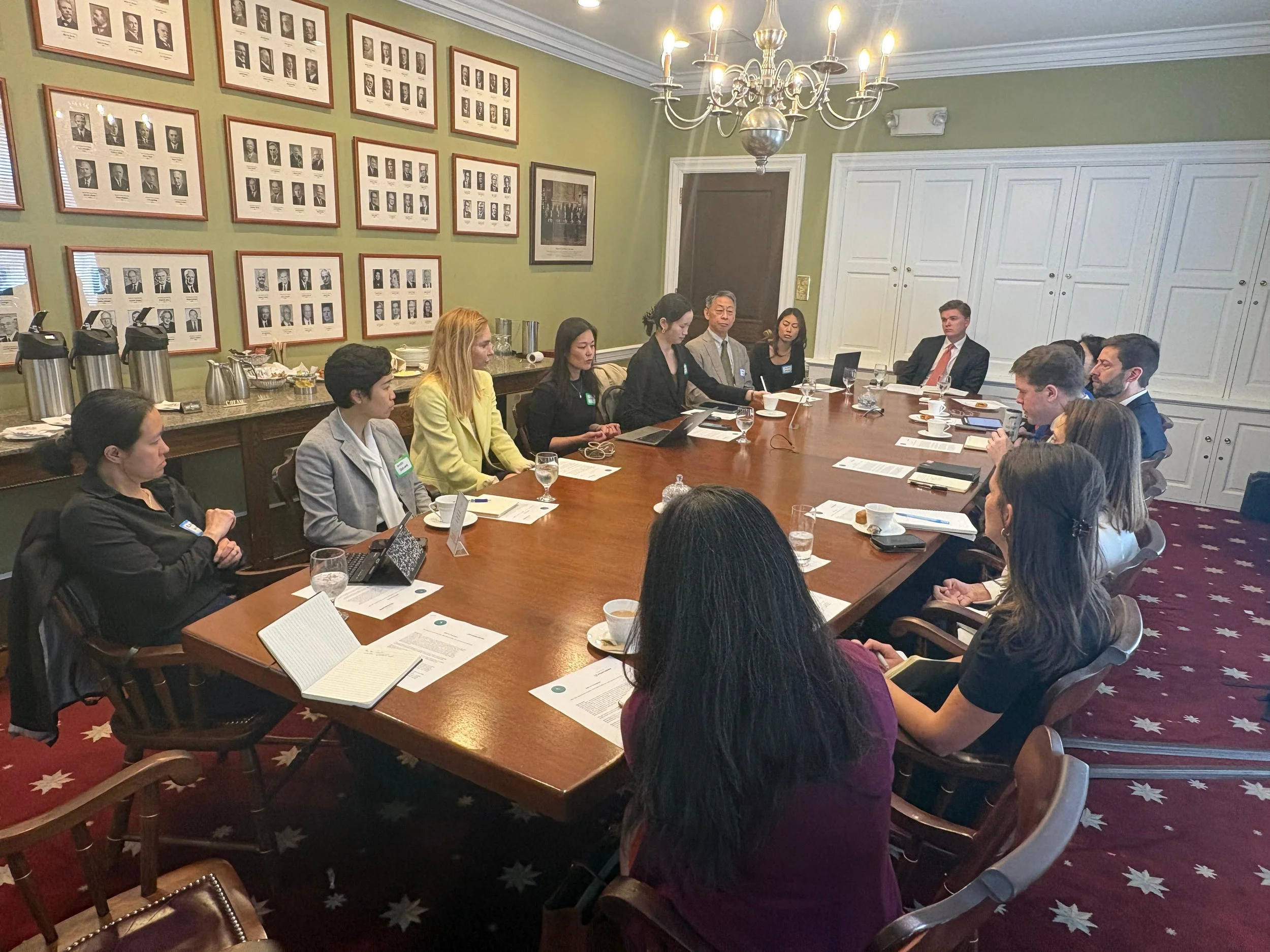
A growing challenge cited by many industry representatives is the difficulty in finding skilled manufacturing talent. As an example, in the advanced electronics and semiconductor manufacturing industries, there is a shortage of existing data server technicians capable of supporting manufacturing assembly. This requires training workers internally, regardless of their educational background, which increases the cost of scaling efforts. Automation was discussed as both a necessity and a challenge for manufacturing firms in their long-term plans.
Participants compared international workforce development models to integrate AI training and highlighted successful government-industry coordination. The Japanese government sponsors programs that introduce technical training pathways at an early age to strengthen employment outcomes. Singapore has a forward-looking workforce planning in the AI transition. Rather than relying on direct subsidies and handouts, the government invested heavily in workforce transformation programs that provide grants directly tied to worker outcomes, such as wage growth. They are focused on transition pathways that emphasize upskilling and retraining for workers disrupted by the government-supported AI push, such as platform drivers.
Concerns were noted over a “generation loss” of knowledge and skill. Participants noted the need to reduce stigma around trade and manufacturing jobs to attract new talent and leadership to the industry, which will require introducing strategies to shift the narrative on manufacturing.
The discussion also emphasized whether there should be an educational shift towards a more unified or alternative training pathway, including systems that do not necessarily require traditional university degrees. These include nationally recognized certificate systems, master-apprentice training models, and more flexible educational pathways, such as the EU model, that allow workers to move between industries and regions more easily. An idea that emerged from the discussion was to create greater mobility for skilled workers in the U.S. to address labor shortages by introducing a STEM visa for Pax Silica countries.
The discussion ultimately framed the challenge not as a choice between technological advancement and worker protections, but rather how to successfully balance innovation, productivity, and human-centered economic transition. Participants stressed the need to fill the knowledge gap between policy and engineers to ensure that innovation strategies are rooted in workforce realities.
Global Women Asia’s 2026 focus is New Manufacturing Innovation. We champion leaders around the world who are driving change in this strategic, transformative sector. To learn more about our programs, visit globalwomenasia.org.
Learn more about Global Women Asia and subscribe to our newsletter.