Women in New Manufacturing Innovation Spotlight: Geraldine McGinty
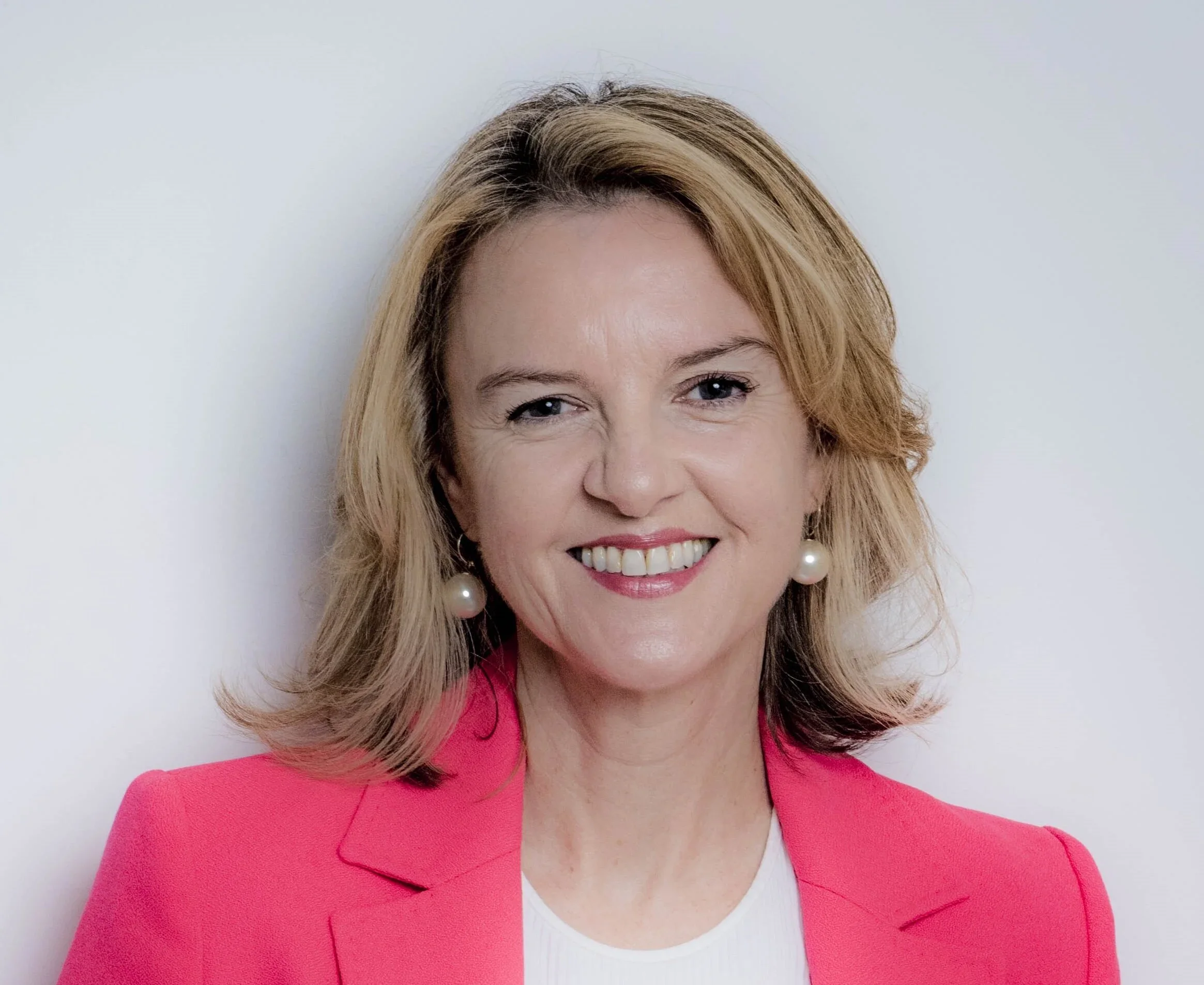
Dr. McGinty did her medical training in Ireland at the University of Galway and then came to the USA for residency at the University of Pittsburgh where she was Chief Resident. Her fellowship was in Women's Imaging at the Massachusetts General Hospital. In 2000, she completed an MBA at Columbia University. She is an internationally recognized expert in imaging economics. In May 2018 she was elected as the Chair of the ACR's Board of Chancellors, the first woman to hold this office. In 2014 she joined the faculty at Weill Cornell Medicine in New York City and in 2021 she was appointed as Senior Associate Dean for Clinical Affairs. Since 2017 she has taught in the combined Weill Cornell Medicine and Cornell SC Johnson School of Business EMBAMS in Healthcare Leadership. She is a member of the board of 4D Medical (4DX) as well of her alma mater. From 2014-2021 she served as a Non-Executive Director of IDA Ireland, the national foreign direct investment agency.
Her published work has focused on payment models for imaging, most recently a bundled payment for breast cancer screening. Recently she has focused on the impact of Artificial Intelligence on Medical Imaging. She has spoken at the Turing Institute and to the WHO Focus Group on AI in Healthcare on this topic and was an invited speaker at the Nvidia GTC AI Conference in 2020. In 2015 she was voted Radiology’s Most Effective Educator by the readers of Aunt Minnie, a radiology news site with more than 140,000 members. She holds inclusion as a foundational value and has been recognized for her work in advancing the careers of women including with the Jessica M and Natan Bibliowicz Award for Excellence in Mentoring Women Faculty. In 2019 she endowed a scholarship at her alma mater to support a female physician in pursuing an MBA.
1. Medical imaging relies on some of the most advanced hardware in the world, but manufacturing and operating heavy equipment like MRI and CT scanners is incredibly energy-intensive. As an expert in both healthcare economics and radiology, how do you view the intersection of medical imaging and sustainability? How do you see the innovations of the ‘New Manufacturing’ era—advancements in AI and robotics—in making these life-saving technologies more energy-efficient and environmentally sustainable?
I'm proud that as President of the American College of Radiology I initiated a focus on the impact of medical imaging on the environment and supported the founding of a grassroots organization called "Radiologists for a Sustainable Future" in collaboration with early career leaders such as Dr. Julia Schoen (article here). It's estimated that medical imaging is responsible for about 50% of the impact of healthcare on the environment so we have a meaningful opportunity to drive positive change. It will be critically important for physicians and other imaging professionals to work collaboratively with industry and we are already seeing exciting innovations such as helium free MRI. AI is already driving positive change through protocol optimization and can further drive efficiency through reducing low and no value imaging using automated decision support.
2. When looking at the latest manufacturing innovations in medical diagnostics, especially in women’s imaging, what recent breakthroughs are you most excited about, and how are they changing women’s healthcare?
I'm really excited about the potential to increase access to breast and lung cancer screening. I see potential for AI to eventually interpret screening mammograms autonomously although I do not think we are there yet. Work is ongoing to expand of current lung cancer screening programs to reach the many women who are non-smokers not covered. Diagnosis is all too often delayed and error prone for our patients so I'm also excited about AI's potential to help us integrate the data we get from imaging, pathology and genomics to speed diagnosis and even allow us to predict disease and personalize prevention.
3. You earned your MBA from Columbia early in your career and even endowed a scholarship for female physicians in Ireland to pursue their MBAs. In the field of medical technology and manufacturing, why is it so critical for clinical leaders to also understand the business and economic side of the supply chain? How does that dual perspective help you advocate for better, more sustainable technological innovation?
My MBA taught me a new language and a whole new way of evaluating processes and problems. Too often physicians who are elevated to system leadership roles are not familiar with the business of healthcare and it can limit their effectiveness. I have been particularly focused on supporting women in pursuing healthcare leadership roles because despite women being more than half the population and comprising the majority of the healthcare workforce they are not represented at the highest level of leadership. Only 15% of healthcare CEOs and 30% of medical school Deans in the US are women. I believe that our health systems will perform better for the communities we serve if we mirror those communities.
4. You completed your medical training in Ireland before moving to the U.S., and you have maintained deep connections to Ireland. How has your immigrant experience and maintaining a global perspective enriched your approach to leadership? What advice do you have for young female professionals—particularly those immigrating from Asia—on how to leverage their own cross-cultural backgrounds as a strategic advantage in Western corporate and medical environments?
Like many immigrants I navigated significant complexity and candidly some bias in securing a residency training spot in the US especially as I did before the internet! Radiology is very competitive. I was fortunate that one of my Irish medical school professors had done a sabbatical at the University of Pittsburgh so the program was familiar with our Irish system. Even things like my exam results needed translation. I was in the top 5 of my class with an average mark of 68%, a very different system to the US! I was fortunate in that I didn't have to learn a new language but there were some important cultural differences. My American trainee colleagues were much more confident and willing to speak up and take risks. The trainee culture in Ireland at the time consisted of a lot of cynicism and negative feedback, thankfully it's very different now. I realized that if I wanted to get the most out of my training that I needed to put my hand up and put myself out there.
That said, I treasure my Irish heritage and all the traditions that go with it. I'm fortunate to be able to stay connected with the educational system through my service on the Governing Board of my alma mater, the University of Galway.
5. You have noted that early in your career—navigating from medical school in Ireland to your residency in the U.S.—you relied heavily on champions who helped you succeed. Today, you are a renowned leader who actively builds inclusive networks like the 'Rad=' initiative. Drawing from your own early journey, what advice do you have for young female clinical leaders on how to intentionally find and cultivate those vital relationships?
As I mentioned above, I was fortunate that a key sponsor was willing to stake their political capital on me as I was seeking a training spot in the US. I knew I had an obligation to pay it back through working hard and being a successful radiologist but also by paying it forward to mentor and sponsor others. My mentee group is a combination of mentees from structured mentorship programs and those I've met more organically. I am always willing to have an introductory conversation! That said, if I'm going to engage in a longer term mentorship relationship and especially if I'm going to sponsor someone for an opportunity I am clear on my expectations. A successful mentee should be prepared for meetings, diligent about follow up especially if I've made an introduction to someone in my network and should be realistic about taking on projects.
Not every conversation will develop into a mentoring relationship so my advice is to cast a wide net in having those introductory conversations. Most leaders are generous with their time and will be willing to share their career journey and advice.
Learn more about Global Women Asia and subscribe to our newsletter.