Women in New Manufacturing Innovation Spotlight: Dr. Blinda Changkajonsakdi
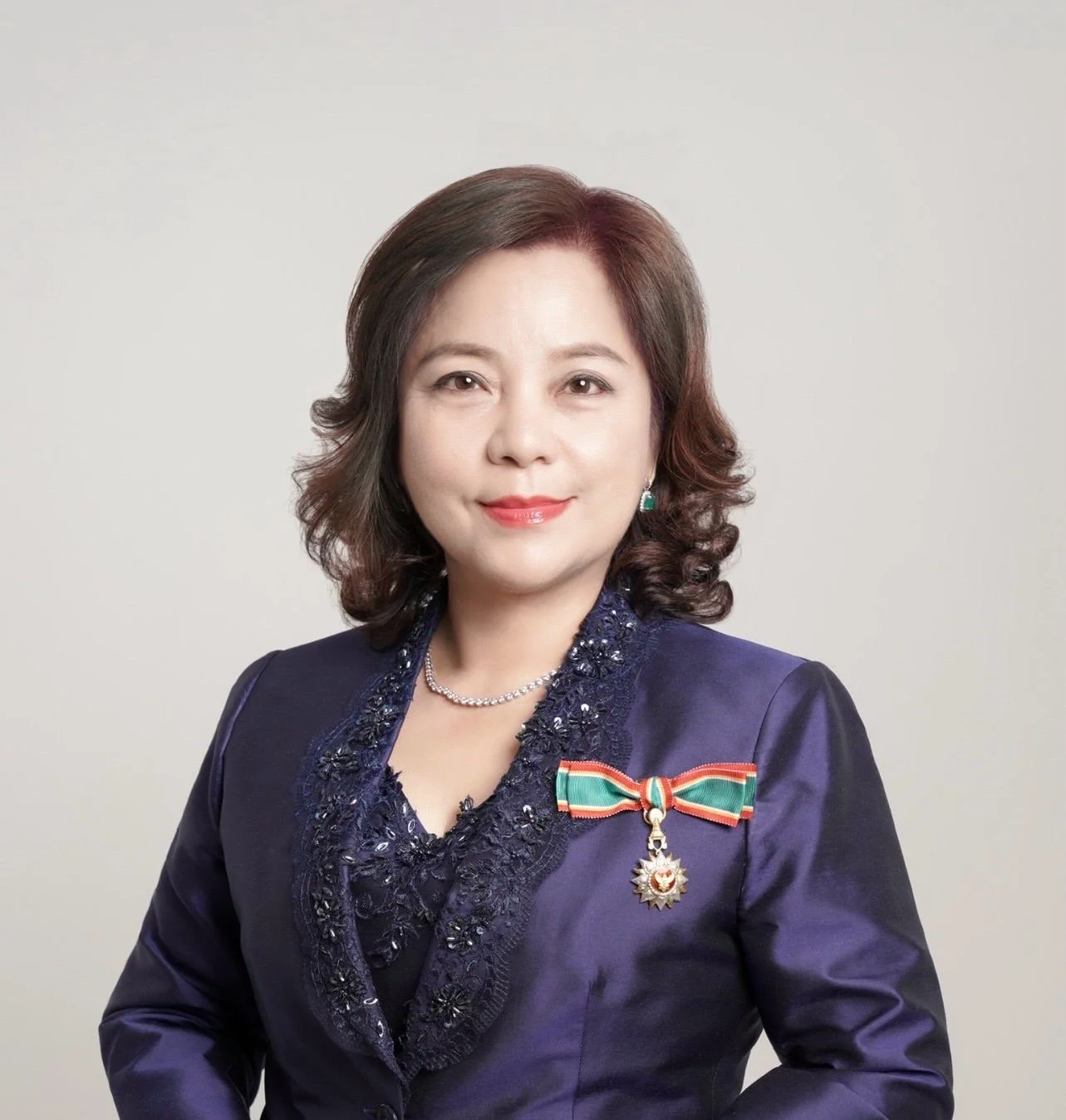
Dr. Blinda Changkakonsakdi is the chairperson of Thai-Taiwan Technological College (TTECH) and Vice President of Bangkok Diecasting & Injection Co., Ltd. (BDI Group). Upon graduation, Blinda joined the family business at BDI Group, a leading manufacturer specializing in high-pressure aluminum die-casting and plastic injection for the automotive and electrical appliance industries, supporting the shift toward Electric Vehicles and the "Thailand 4.0" initiative—a national strategy to transform the country into a value-based, digital-driven economy. To drive this evolution, the group, under her leadership, launched the "Smart BDI 4.0" transition in 2020, modernizing its operations through smart warehouses and automated production facilities.
In 2007, Blinda founded TTECH with the aim of bridging the gap between academia and industry, by providing students with scholarship opportunities and hands-on professional training. She has transformed business acumen into fertile ground for vocational education and become a key figure in linking Taiwan and Thailand through education, culture, and industry collaboration. As a second-generation Thai-Taiwanese entrepreneur, Blinda is also the Chairperson of the Taiwan Association of Thailand and has devoted years to cultivating multinational cooperation with unwavering conviction.
She received her bachelor’s in Business Administration at National Taiwan University, her master’s in management from Assumption University of Thailand, and her doctorate in Educational Innovation from Rajamangala University of Technology, equipping her with a global and integrative management perspective.
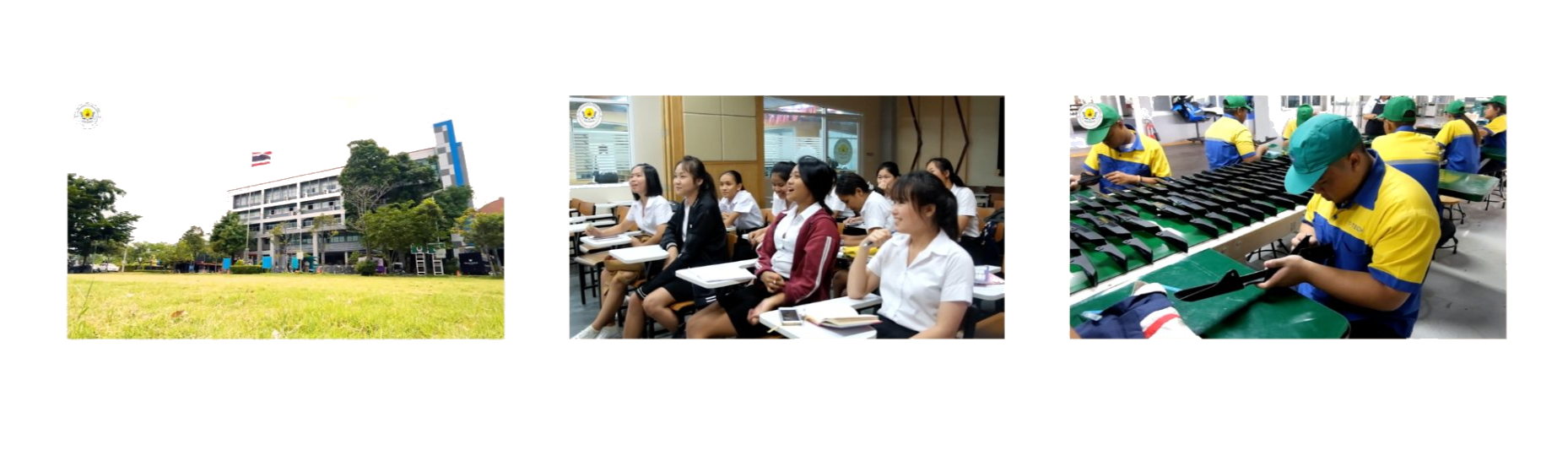
Images from Thai-Taiwan Technical College.
1. What was the original vision behind TTECH’s establishment, and how does its unique educational model bridge the gap between industry and academia?
The Thailand-Taiwan BDI Institute of Technology (TTECH) was established in 2001 by my late father, Suthum Changkakonsakdi. The institute was founded in response to the significant challenges faced by Taiwanese businesses expanding in Thailand in recruiting skilled technical personnel. To give back to society and address the industry's talent gap, the decision was made to introduce Taiwan's successful vocational education model.
Traditional industries require stable technical personnel, not merely graduates with theoretical knowledge. Through the “Dual System,” students engage in hands-on factory training during weekdays and theoretical studies at school on weekends, ensuring “graduation leads to employment, and employment leads to productivity.” Simultaneously, scholarships provided by enterprises help underprivileged children transform their lives through technical skills.
2. What has BDI's transformation journey looked like over the years? How has the evolution of AI and robotics impacted this process?
Since 1978, BDI has specialized in aluminum die casting and plastic injection molding. Facing technological advancements, BDI partnered with major Japanese manufacturers to enhance precision mold development capabilities and transition toward highly automated production.
AI is primarily used for quality inspection (visual recognition) and big data-driven predictive maintenance. This significantly impacts technical colleges, which must phase out outdated curricula and introduce emerging subjects like “Smart Automation,” “Electric Vehicle Technology,” and “Data Analysis.” This equips students to collaborate with robots, ensuring graduates can operate and maintain high-end smart equipment rather than perform low-skill labor.
3. What do you identify as Thailand's biggest challenge in this new era of manufacturing?
From an employer's perspective, I believe Thailand’s most critical challenge in this new era of manufacturing is a severe shortage of 'cross-disciplinary technical professionals.' Specifically, within the realm of mechatronics, there is an urgent need for talent capable of bridging the gap between mechanical maintenance and computer control system operation.
In addition to these dual-skilled technicians, the industry is seeking digital management professionals who are adept at data-driven production management. However, the challenge isn't limited to technical expertise alone. To truly connect multinational corporate resources, Thailand requires leaders with cross-cultural proficiency—specifically those who can communicate fluently in Chinese or English to drive international collaboration.
4. What do you think are the biggest challenges for multinational corporations currently? What about the biggest challenges to female leadership in the field?
As a “Taiwanese daughter and Thai daughter-in-law,” the primary challenge lies in integrating management cultures. Taiwan emphasizes efficiency and precision, while Thailand prioritizes harmony. Leaders must act as “translators,” transforming the strengths of both cultures into corporate competitiveness.
In terms of challenges for female leadership, in male-dominated manufacturing, women must persuade peers with rigorous data. Female leaders initially expend greater effort proving expertise. Yet their inherent sensitivity and inclusivity foster stronger cohesion and stability in labor relations and talent development.
5. In your opinion, what are the most important developments that the workforce needs to prepare itself for the new era of manufacturing?
To prepare for this new era, I believe the workforce must focus on two primary developments. First, we need dynamic curriculum adjustments. Because corporate requirements are evolving so rapidly, future talent development depends on a close industry-academia collaboration. This includes the creation of 'micro-credit' courses that allow us to integrate the latest factory machinery and technologies into school curricula in real time.
Equally important is the cultivation of a digital transformation mindset. Beyond just mastering specific technical skills, the future workforce must possess the inherent adaptability required to navigate digital shifts. It’s not just about knowing the machines; it’s about having the mental agility to evolve alongside them.
Learn more about Global Women Asia and subscribe to our newsletter.